How Integrated Fitness Gyms in Singapore Support Both Strength and Cardiovascular Adaptations
Most gym members in Singapore train with a primary goal in mind. Some want to get stronger. Others want to improve their cardiovascular fitness. A growing number want both, and this is where the conversation around training environment becomes genuinely important. The idea that strength and cardiovascular adaptations are competing priorities is one of the more persistent myths in commercial fitness. A well-designed fitness gym singapore environment, properly used with intelligent programming, can support both simultaneously without meaningfully compromising either.
The key word is integrated. Not a gym that happens to have both a weights floor and cardio machines sitting in separate rooms, but a facility whose programming philosophy, coaching approach, and physical design treat strength and cardiovascular development as parts of a single, coherent athletic picture.
The Physiology Behind Concurrent Training
For years, the concept of the interference effect discouraged serious trainees from combining strength and cardiovascular training. The interference effect describes a phenomenon where endurance training blunts some of the molecular signalling pathways that drive strength and hypertrophy adaptations. Research from the 1980s suggested that combining the two modalities produced inferior results in both compared to training each in isolation.
More recent and methodologically rigorous research has substantially revised this understanding. The interference effect is real but far more context-dependent than originally suggested. It is most pronounced when endurance training volume is very high, when training sessions are performed back-to-back without adequate recovery between modalities, and when the endurance training involves high impact activities that create significant musculoskeletal fatigue.
When concurrent training is programmed intelligently, meaning appropriate modality sequencing, sufficient inter-session recovery, and volume calibration across both domains, strength and cardiovascular adaptations can be developed simultaneously in the same training programme with minimal meaningful interference.
Session Sequencing and Its Physiological Logic
The order in which strength and cardiovascular training are performed within or across sessions has measurable consequences for adaptation quality. Performing resistance training before cardiovascular work in the same session prioritises the neuromuscular demands of strength training while the nervous system is fresh, then uses the cardiovascular component to clear metabolic waste products and provide a conditioning stimulus.
The reverse sequence, cardio before weights, elevates core body temperature and increases blood flow to working muscles, which can enhance resistance training warm-up quality, but introduces accumulated fatigue in the lower body musculature that compromises strength performance if the cardiovascular component was significant.
Most exercise scientists currently recommend resistance training first in same-session concurrent training, with cardiovascular training following, unless the primary goal is cardiovascular performance, in which case the sequencing priority reverses.
What an Integrated Fitness Gym Actually Provides
An integrated fitness gym in Singapore that genuinely supports concurrent training does so through specific infrastructure and programming choices that a pure strength gym or pure cardio studio cannot replicate.
Equipment Adjacency and Session Flow
The physical layout of an integrated gym should allow members to move between strength training areas and cardiovascular equipment without significant disruption to session flow. This matters practically because concurrent training sessions, particularly those using supersets of resistance and cardio intervals, require rapid transitions between different equipment types.
A gym design that places the functional training area adjacent to the cardiovascular equipment and connected to the resistance floor allows these transitions to happen smoothly. Designs that segregate equipment categories into entirely separate areas with long distances between them introduce friction that makes concurrent training logistically cumbersome.
Programming That Bridges Both Domains
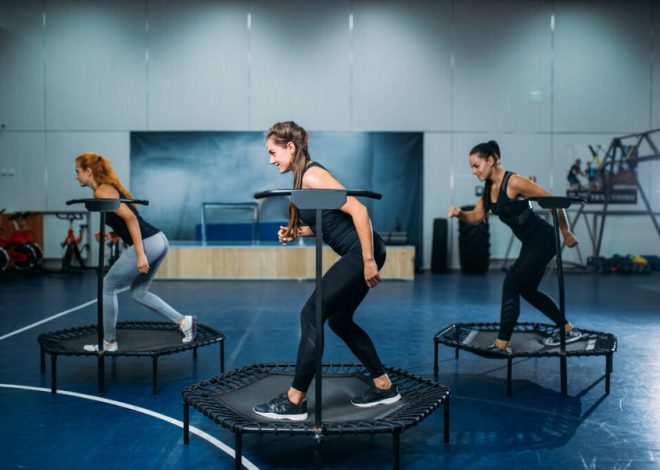
The group fitness programming at an integrated Singapore fitness gym reflects the concurrent training philosophy in its class design. Formats that combine resistance-based movement with cardiovascular intervals within a single class structure provide the integrated training stimulus that concurrent adaptation research supports, delivered in a coached environment that manages volume, intensity, and rest periods appropriately.
Standalone strength classes and standalone cardio classes both have value. The additional value of classes that bridge both domains is that they train members’ bodies to manage concurrent physiological demands, which is the precise adaptation that makes someone genuinely fit rather than specifically strong or specifically conditioned.
Cardiovascular Modality Selection in a Concurrent Training Context
Not all cardiovascular training modalities create equivalent interference effects with strength training. This distinction matters for members who are serious about developing both qualities simultaneously.
Low-Impact Cardio and Its Advantage
Rowing, cycling, and swimming create cardiovascular demand without the repeated impact loading that running introduces. For members combining significant volume resistance training with cardiovascular training, low-impact modalities reduce the total musculoskeletal fatigue load, leaving more recovery capacity available for strength adaptation.
This is why integrated fitness gyms in Singapore that offer comprehensive cardiovascular equipment variety, including rowing ergometers, assault bikes, and ski ergs alongside standard treadmills and ellipticals, provide a more complete concurrent training toolkit than facilities that offer only running-based cardio options.
High-Intensity Interval Training for Concurrent Adaptation
High-intensity interval cardiovascular training produces superior concurrent adaptation outcomes compared to steady-state continuous cardio in most research contexts. Short, high-intensity cardiovascular intervals create a strong metabolic stimulus with lower total volume, which reduces the interference effect while producing meaningful cardiovascular adaptation.
Integrated fitness gyms in Singapore that incorporate properly structured HIIT protocols into their group programming provide a cardiovascular training stimulus that is not only more time-efficient but more compatible with concurrent strength development than equivalent volumes of moderate-intensity continuous training.
Monitoring Both Adaptations Over Time
One practical challenge of concurrent training is that progress in one domain is easier to measure than progress in the other. Strength gains are visible in load increases and rep completions. Cardiovascular improvements are less immediately apparent without objective measurement.
Integrated fitness gyms in Singapore that provide members with regular cardiovascular fitness assessments, whether through sub-maximal VO2 testing protocols, resting heart rate tracking, or heart rate recovery measurements, give concurrent training members visibility into both sides of their adaptation without requiring expensive laboratory testing.
True Fitness Singapore supports concurrent training through facility design, programming variety, and coaching staff trained in integrated programme development. True Fitness Singapore provides the complete infrastructure that members serious about developing both strength and cardiovascular fitness need in a single training environment.
FAQs
Q. I have been told that doing cardio will destroy my muscle gains. How much of this is actually true?
A. The interference effect is real but significantly overstated in casual gym conversation. Low to moderate cardiovascular training volume, particularly using low-impact modalities and performed after resistance training, produces minimal meaningful interference with muscle growth. The problems arise when cardio volume is very high, recovery between sessions is inadequate, or running is the primary cardio modality alongside heavy lower body resistance training.
Q. How many days per week can I realistically train both strength and cardio without overtraining?
A. For most adults with standard recovery capacity and life stress levels, four to five training days per week combining both modalities is sustainable. The key variable is not how many days you train but whether you are recovering adequately between sessions. Heart rate variability, sleep quality, and performance in your training sessions are the most reliable overtraining indicators.
Q. Should I eat differently on days when I train both strength and cardio compared to pure strength days?
A. Yes. Concurrent training days produce higher total energy expenditure and greater glycogen depletion, making carbohydrate intake more important on those days. Protein requirements remain broadly consistent across training types, but total caloric intake should be scaled upward on high-volume concurrent training days relative to single-modality or rest days.
Q. Is concurrent training appropriate for someone managing cardiovascular risk factors like elevated blood pressure?
A. Concurrent training programmes that combine moderate-intensity resistance training with regular cardiovascular work have strong evidence for improving cardiovascular risk markers including blood pressure, lipid profiles, and insulin sensitivity. Medical clearance before starting is appropriate for anyone with diagnosed cardiovascular conditions, and programme intensity should be scaled to current capacity under professional guidance.
Q. Which should I prioritise first when I am new to combining both modalities in my training?
A. Establish your resistance training foundation first, allowing eight to twelve weeks to develop movement quality and structural tolerance before adding meaningful cardiovascular volume. Premature introduction of high cardiovascular volume before a strength foundation is established increases injury risk and creates fatigue that compromises the technical learning of fundamental movement patterns.