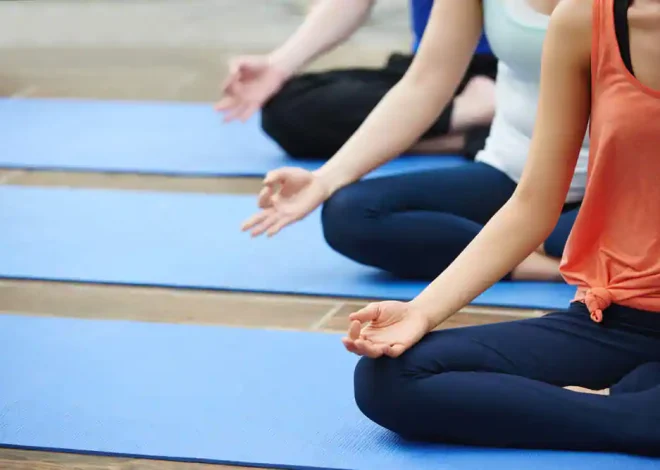
Healthy Exercise Routines for Modern Busy Lifestyles
Introduction
Modern life often feels rushed and demanding. Between work responsibilities, family obligations, long commutes, and digital distractions, many people struggle to find enough time for exercise. As schedules become busier, physical activity is frequently pushed aside in favor of convenience and productivity. Unfortunately, this habit can negatively affect both physical and mental health over time.
Regular exercise is essential for maintaining energy, reducing stress, improving heart health, and supporting long-term wellness. The good news is that staying active does not require spending hours in the gym every day. With smart planning and realistic goals, even busy individuals can build healthy exercise routines that fit naturally into their daily schedules.
Healthy exercise routines for modern lifestyles focus on consistency, flexibility, efficiency, and sustainability. Instead of extreme workouts or unrealistic fitness goals, successful routines prioritize manageable activities that can be maintained long term.
Why Exercise Matters in a Busy Lifestyle
People with demanding schedules often experience higher stress levels, reduced sleep quality, and increased physical inactivity. Exercise helps counter many of these challenges.
Regular physical activity can:
- Improve cardiovascular health
- Increase energy levels
- Reduce stress and anxiety
- Support weight management
- Strengthen muscles and joints
- Improve focus and productivity
- Promote better sleep
- Reduce the risk of chronic disease
Exercise also creates a mental break from work pressures and screen time, helping individuals feel more balanced and refreshed throughout the day.
Common Barriers to Exercise
Understanding common obstacles can help people develop realistic fitness habits.
Lack of Time
One of the most common reasons people avoid exercise is a busy schedule. Many individuals believe workouts must last an hour or more to be effective.
In reality, shorter workouts performed consistently can still produce meaningful health benefits.
Mental Fatigue
Long workdays and constant responsibilities can leave people mentally exhausted. Even when time is available, motivation may feel low.
Inconsistent Schedules
Shift work, travel, parenting responsibilities, and unpredictable work hours often make it difficult to follow rigid workout plans.
Limited Access to Fitness Facilities
Not everyone has access to a gym or expensive fitness equipment. Fortunately, many effective workouts can be done at home or outdoors.
Creating a Realistic Exercise Routine
The most effective fitness routine is one that fits naturally into a person’s lifestyle.
Set Achievable Goals
Unrealistic expectations often lead to frustration and burnout. Instead of aiming for perfection, focus on consistency and gradual progress.
Examples of realistic goals include:
- Walking 30 minutes five days a week
- Completing three strength workouts weekly
- Stretching every morning
- Taking movement breaks during work hours
Small goals are easier to maintain and build confidence over time.
Schedule Exercise Like an Appointment
Busy individuals often succeed when they treat workouts as non-negotiable appointments.
Strategies include:
- Adding workouts to a calendar
- Exercising at the same time daily
- Preparing workout clothes in advance
- Choosing activities close to home or work
Creating structure helps reduce excuses and improve consistency.
Focus on Efficiency
Time-efficient workouts are ideal for modern lifestyles.
Effective short workouts may include:
- High-intensity interval training
- Bodyweight circuits
- Brisk walking
- Stair climbing
- Resistance band exercises
Even 20 to 30 minutes of focused activity can improve fitness and energy levels.
Best Exercise Options for Busy People
Different types of exercise suit different schedules and fitness levels.
Walking
Walking is one of the simplest and most accessible forms of exercise. It requires no special equipment and can easily fit into daily routines.
Ways to increase walking include:
- Walking during lunch breaks
- Taking the stairs instead of elevators
- Parking farther away
- Walking while taking phone calls
- Evening neighborhood walks
Walking supports heart health, mental clarity, and calorie burning.
Home Workouts
Home workouts eliminate travel time and provide flexibility.
Popular home exercises include:
- Push-ups
- Squats
- Lunges
- Planks
- Jumping jacks
- Yoga routines
Online fitness videos and mobile apps also make guided workouts more convenient.
Strength Training
Strength training is important for maintaining muscle mass, metabolism, and bone health.
Busy individuals can benefit from short strength sessions using:
- Dumbbells
- Resistance bands
- Kettlebells
- Bodyweight movements
Two or three weekly sessions can significantly improve overall fitness.
High-Intensity Interval Training
High-intensity interval training, often called HIIT, combines short bursts of intense activity with brief recovery periods.
HIIT workouts are popular because they:
- Save time
- Burn calories efficiently
- Improve cardiovascular fitness
- Increase endurance
Many HIIT workouts can be completed in under 30 minutes.
Yoga and Stretching
Yoga improves flexibility, balance, posture, and stress management.
Busy professionals often benefit from yoga because it combines physical activity with mental relaxation.
Stretching routines also help reduce stiffness caused by prolonged sitting.
Morning Exercise vs Evening Exercise
The best workout time depends on personal schedules and energy levels.
Benefits of Morning Exercise
Morning workouts may:
- Increase daily energy
- Improve focus and productivity
- Reduce scheduling conflicts
- Create consistent habits
Exercising early can also reduce the likelihood of skipping workouts due to evening fatigue.
Benefits of Evening Exercise
Evening exercise may help:
- Relieve stress after work
- Improve physical performance
- Fit better into flexible schedules
Some people naturally feel stronger and more energetic later in the day.
The most important factor is consistency rather than the exact time of day.
Exercise Tips for Office Workers
Sedentary work environments contribute to inactivity and poor posture. Small adjustments can improve movement throughout the workday.
Take Movement Breaks
Standing up and moving every hour helps improve circulation and reduce stiffness.
Simple movement ideas include:
- Stretching
- Walking around the office
- Using stairs
- Performing desk exercises
Improve Workspace Ergonomics
Proper posture reduces strain on muscles and joints.
Helpful adjustments include:
- Keeping screens at eye level
- Using supportive chairs
- Maintaining proper sitting posture
- Positioning keyboards comfortably
Use Active Transportation
Walking or cycling to work can increase daily physical activity while reducing sedentary time.
The Importance of Recovery
Rest and recovery are essential parts of a healthy exercise routine.
Sleep and Muscle Recovery
The body repairs muscles and restores energy during sleep. Adults should aim for consistent, high-quality sleep to support fitness goals.
Avoid Overtraining
Exercising excessively without proper rest may lead to:
- Fatigue
- Muscle soreness
- Reduced performance
- Increased injury risk
Balanced routines produce better long-term results than extreme workouts.
Hydration and Nutrition
Proper hydration and balanced nutrition support exercise performance and recovery.
Healthy habits include:
- Drinking enough water
- Eating protein-rich foods
- Consuming fruits and vegetables
- Limiting processed foods
- Maintaining balanced meals
Nutrition and exercise work together to support overall wellness.
Staying Motivated Long Term
Motivation naturally changes over time, which is why sustainable habits matter more than temporary enthusiasm.
Choose Enjoyable Activities
People are more likely to stay active when they enjoy their workouts.
Enjoyable activities may include:
- Dancing
- Hiking
- Swimming
- Group fitness classes
- Recreational sports
Exercise should feel rewarding rather than punishing.
Track Progress
Tracking workouts and health improvements can increase motivation.
Progress may include:
- Improved endurance
- Better sleep
- Increased strength
- Weight management
- Reduced stress
Visible progress encourages consistency.
Exercise With Others
Friends, family members, or workout groups can provide accountability and support.
Social exercise also makes workouts more enjoyable for many individuals.
Technology and Modern Fitness
Technology has made exercise more accessible and flexible.
Popular fitness technologies include:
- Smartwatches
- Fitness apps
- Online workout programs
- Virtual training sessions
- Activity trackers
These tools help people monitor progress and stay engaged with their health goals.
Exercise for Different Age Groups
Exercise needs may vary depending on age and lifestyle.
Young Adults
Young adults often benefit from strength training, cardiovascular exercise, and sports participation.
Middle-Aged Adults
This age group may focus more on heart health, mobility, and stress reduction.
Older Adults
Older adults benefit from balance training, walking, flexibility exercises, and light resistance training to support mobility and independence.
Regular movement remains important at every stage of life.
Building a Sustainable Fitness Lifestyle
Long-term health depends on consistency rather than short-term intensity.
Sustainable exercise habits include:
- Starting gradually
- Staying flexible with routines
- Prioritizing recovery
- Setting realistic expectations
- Choosing enjoyable activities
Exercise should support daily life rather than create additional stress.
Healthy routines become easier when physical activity is viewed as an essential part of overall wellness instead of a temporary obligation.
Conclusion
Healthy exercise routines are achievable even for people with busy modern lifestyles. Consistent movement improves physical health, mental clarity, energy levels, and emotional well-being without requiring excessive time commitments.
The key to long-term success is creating practical routines that fit naturally into everyday schedules. Walking, home workouts, strength training, stretching, and short high-intensity sessions can all provide meaningful health benefits when performed regularly.
Modern fitness is not about perfection or extreme workouts. It is about building sustainable habits that support healthier living over time. By prioritizing movement, recovery, and balance, individuals can improve their quality of life while successfully managing the demands of modern daily routines.
Frequently Asked Questions
1. How much exercise do busy adults need each week?
Most adults benefit from at least 150 minutes of moderate physical activity or 75 minutes of vigorous exercise per week, along with strength training exercises twice weekly.
2. Can short workouts still be effective?
Yes, short workouts can improve fitness, energy, and cardiovascular health when performed consistently and with proper intensity.
3. What is the best exercise for beginners with limited time?
Walking, bodyweight exercises, and simple home workouts are excellent options for beginners with busy schedules.
4. Is exercising every day necessary for good health?
No, rest days are important for recovery. Most people benefit from balanced weekly routines that include both activity and recovery time.
5. How can office workers stay active during the day?
Office workers can take movement breaks, stretch regularly, use stairs, walk during lunch breaks, and improve workplace ergonomics.
6. Does exercise help improve work productivity?
Yes, regular exercise can improve concentration, energy levels, mental clarity, and stress management, which may support better workplace performance.
7. What should people eat before and after exercise?
Balanced meals that include protein, healthy carbohydrates, and hydration help support workout performance and muscle recovery.