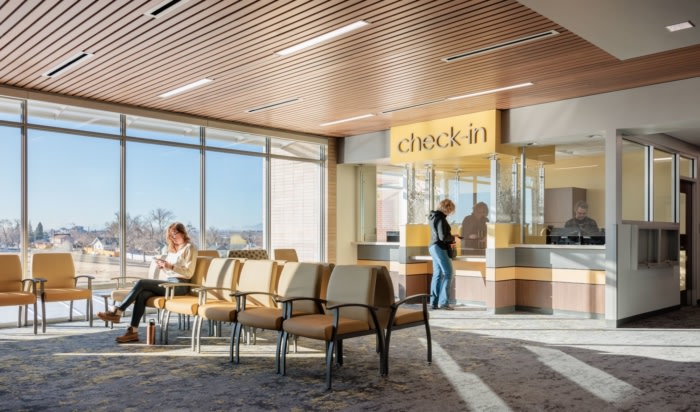
Clinic: The Foundation of Modern Community Healthcare
Introduction
A clinic plays a critical role in the healthcare system by offering accessible, affordable, and timely medical services to individuals and families. Whether it is a neighborhood primary care center, a specialized outpatient facility, or a walk-in urgent care location, clinics provide the first point of contact for millions of patients every year. In the United States, clinics are often designed to deliver preventive care, diagnose common illnesses, manage chronic conditions, and improve long-term wellness.
Healthcare needs continue to evolve as populations grow older, chronic diseases become more common, and patients seek more convenient medical options. Clinics help bridge the gap between hospitals and home care by creating an environment where patients can receive professional treatment without the cost and complexity of a hospital stay.
This article explores the importance of clinics, the services they provide, the benefits they offer, and how they continue to shape the future of healthcare in local communities.
What Is a Clinic?
A clinic is a healthcare facility where medical professionals diagnose, treat, and manage various health conditions. Unlike hospitals, clinics are typically focused on outpatient care, meaning patients receive treatment and return home the same day.
Clinics may be privately owned, affiliated with hospitals, operated by government agencies, or managed by nonprofit organizations. They vary in size and specialty, ranging from small family practices to large multidisciplinary healthcare centers.
The main purpose of a clinic is to provide accessible medical care in a convenient setting. Many clinics also emphasize preventive healthcare and patient education, helping individuals maintain healthier lifestyles and reduce the risk of serious medical problems.
Types of Clinics
Healthcare clinics come in many forms, each designed to meet specific medical needs.
Primary Care Clinics
Primary care clinics are often the first place patients visit for routine medical care. These clinics provide:
- Annual physical exams
- Vaccinations
- Health screenings
- Management of chronic conditions
- Treatment for common illnesses
- Preventive healthcare guidance
Primary care providers build long-term relationships with patients and monitor overall health over time.
Urgent Care Clinics
Urgent care clinics treat non-life-threatening conditions that require prompt attention. They are a convenient alternative to emergency rooms for minor injuries and illnesses.
Common services include:
- Treatment for flu and colds
- Minor fractures and sprains
- Cuts and burns
- Allergic reactions
- Ear infections
- Fever evaluation
Urgent care centers often offer extended evening and weekend hours.
Specialty Clinics
Specialty clinics focus on specific areas of medicine. These clinics employ healthcare professionals with advanced expertise in a particular field.
Examples include:
- Cardiology clinics
- Dermatology clinics
- Orthopedic clinics
- Pediatric clinics
- Mental health clinics
- Women’s health clinics
Specialty clinics allow patients to receive focused treatment tailored to their condition.
Community Health Clinics
Community health clinics serve local populations, especially underserved or low-income communities. Many provide affordable healthcare regardless of insurance status.
These clinics often offer:
- Preventive services
- Dental care
- Mental health counseling
- Prenatal care
- Health education programs
- Prescription assistance
Community clinics play a vital role in reducing healthcare disparities.
Walk-In Clinics
Walk-in clinics provide quick medical attention without requiring appointments. They are commonly located inside pharmacies, retail stores, or shopping centers.
Patients frequently use walk-in clinics for:
- Minor illnesses
- Vaccinations
- Basic health screenings
- Prescription refills
- Seasonal flu treatment
Their convenience makes them popular among busy individuals and families.
Services Commonly Offered at Clinics
Modern clinics provide a broad range of medical services designed to support overall patient health.
Preventive Healthcare
Preventive care helps identify health issues before they become serious. Clinics often encourage patients to schedule regular wellness visits.
Preventive services may include:
- Blood pressure monitoring
- Cholesterol testing
- Diabetes screening
- Cancer screenings
- Immunizations
- Nutritional counseling
Early detection can significantly improve treatment outcomes.
Chronic Disease Management
Many Americans live with chronic conditions such as diabetes, hypertension, and asthma. Clinics help patients manage these illnesses through regular monitoring, medication adjustments, and lifestyle recommendations.
Healthcare providers also educate patients on self-care strategies to improve long-term health.
Diagnostic Services
Some clinics offer on-site diagnostic testing to speed up treatment decisions.
These services may include:
- Laboratory testing
- Blood work
- X-rays
- Ultrasounds
- Electrocardiograms
- Urinalysis
Fast access to diagnostic tools improves efficiency and patient satisfaction.
Mental Health Support
Mental health clinics and integrated healthcare centers increasingly provide counseling and behavioral health services.
Patients may receive support for:
- Anxiety
- Depression
- Stress management
- Substance abuse recovery
- Trauma-related conditions
- Family counseling
The growing focus on mental wellness reflects a broader understanding of whole-person healthcare.
Telehealth Services
Telehealth has transformed the way clinics deliver care. Patients can now consult with healthcare providers remotely through secure video or phone appointments.
Telehealth benefits include:
- Reduced travel time
- Faster follow-up appointments
- Greater access for rural communities
- Improved convenience for patients with mobility limitations
- Easier medication management
Virtual care continues to expand across the healthcare industry.
Benefits of Visiting a Clinic
Clinics offer numerous advantages that make healthcare more accessible and practical for patients.
Convenience
Many clinics provide flexible scheduling, shorter wait times, and same-day appointments. This convenience helps patients receive timely treatment without disrupting their daily routines.
Lower Healthcare Costs
Compared to emergency rooms and hospital visits, clinics often provide more affordable care. Preventive treatment and early intervention can also reduce long-term healthcare expenses.
Personalized Care
Smaller clinic environments often allow healthcare providers to spend more time with patients. This personalized approach can improve communication, trust, and treatment outcomes.
Improved Preventive Care
Clinics encourage routine checkups and health screenings, helping patients stay proactive about their well-being.
Better Access for Communities
Community clinics and urgent care centers increase healthcare availability in both urban and rural areas. This expanded access helps reduce barriers to medical treatment.
The Role of Technology in Modern Clinics
Technology has dramatically changed how clinics operate and deliver patient care.
Electronic Health Records
Electronic health records allow providers to store and access patient information securely. These systems improve communication between healthcare professionals and reduce the risk of medical errors.
Benefits include:
- Faster access to patient history
- Improved treatment coordination
- More accurate prescriptions
- Better documentation
- Enhanced patient safety
Online Appointment Scheduling
Many clinics now offer online booking systems that simplify appointment scheduling. Patients can choose convenient time slots and receive automated reminders.
Remote Patient Monitoring
Some clinics use digital devices to monitor patients outside the office. This technology helps healthcare providers track conditions such as:
- Blood pressure
- Blood sugar levels
- Heart rate
- Oxygen saturation
Remote monitoring supports ongoing care while reducing unnecessary office visits.
Artificial Intelligence and Data Analytics
Advanced clinics are beginning to use artificial intelligence tools to improve diagnostics, streamline workflows, and identify healthcare trends.
Data-driven healthcare can support:
- Faster diagnosis
- Personalized treatment plans
- Predictive health insights
- Improved operational efficiency
Technology continues to shape the future of patient-centered care.
Challenges Facing Clinics Today
Despite their importance, clinics face several ongoing challenges.
Staffing Shortages
Many healthcare facilities struggle to recruit and retain qualified professionals. Physician shortages and nurse burnout can affect appointment availability and patient care.
Rising Operational Costs
Medical equipment, staffing expenses, insurance requirements, and administrative tasks continue to increase operational costs for clinics.
Insurance Complexity
Navigating insurance policies and reimbursement systems can be difficult for both clinics and patients.
Increasing Patient Demand
An aging population and rising chronic disease rates place additional pressure on healthcare providers.
Technology Integration
While digital tools offer many benefits, implementing new technology systems requires training, investment, and ongoing cybersecurity protection.
How Clinics Improve Public Health
Clinics contribute significantly to public health initiatives across the United States.
Vaccination Programs
Clinics help control infectious diseases through vaccination campaigns and community outreach.
Health Education
Many clinics provide educational resources related to:
- Nutrition
- Exercise
- Smoking cessation
- Preventive screenings
- Stress reduction
Health education empowers patients to make informed decisions.
Early Disease Detection
Routine screenings conducted at clinics can identify serious conditions at earlier stages when treatment is more effective.
Support for Vulnerable Populations
Community clinics often serve uninsured patients, low-income families, seniors, and rural populations.
By increasing healthcare access, clinics help reduce disparities and improve overall community wellness.
Choosing the Right Clinic
Selecting the right clinic depends on several factors.
Location and Accessibility
Patients should consider clinics that are conveniently located and easy to access.
Services Offered
Different clinics specialize in different areas of care. Patients should choose a facility that meets their healthcare needs.
Insurance and Payment Options
Verifying insurance acceptance and payment policies can help avoid unexpected expenses.
Provider Qualifications
Researching provider credentials and patient reviews may offer insight into the quality of care.
Appointment Availability
Flexible scheduling and timely appointments can improve the overall patient experience.
The Future of Clinics
The healthcare industry continues to evolve rapidly, and clinics are expected to remain central to community-based care.
Future trends may include:
- Expanded telehealth services
- Greater use of artificial intelligence
- More personalized treatment plans
- Integrated mental health services
- Enhanced preventive care strategies
- Mobile healthcare clinics for underserved regions
As patient expectations continue to change, clinics will likely focus even more on convenience, accessibility, and patient engagement.
Healthcare organizations are increasingly prioritizing value-based care, where providers focus on improving outcomes rather than simply increasing the number of services performed.
Clinics are uniquely positioned to support this model through preventive care, chronic disease management, and long-term patient relationships.
Conclusion
Clinics are an essential part of the healthcare system, offering convenient, affordable, and patient-focused medical services. From preventive care and chronic disease management to urgent treatment and mental health support, clinics help individuals maintain healthier lives while reducing strain on hospitals and emergency departments.
Modern clinics continue to evolve through technological innovation, expanded healthcare access, and a stronger focus on personalized care. Despite challenges such as staffing shortages and rising costs, clinics remain vital to improving public health outcomes and supporting communities across the country.
As healthcare continues to advance, clinics will play an even greater role in delivering efficient, accessible, and compassionate medical care for future generations.
Frequently Asked Questions
1. What is the difference between a clinic and a hospital?
A clinic primarily provides outpatient care for routine, preventive, and non-emergency medical services, while hospitals offer more advanced treatment, surgeries, and emergency care that may require overnight stays.
2. Can clinics treat emergency conditions?
Most clinics can treat minor urgent conditions, but life-threatening emergencies such as heart attacks, severe injuries, or strokes require immediate hospital emergency care.
3. Are walk-in clinics more affordable than emergency rooms?
Yes, walk-in clinics and urgent care centers are generally much less expensive than emergency room visits for non-life-threatening conditions.
4. Do clinics offer preventive healthcare services?
Yes, many clinics provide preventive services including vaccinations, annual physicals, screenings, wellness exams, and health education.
5. What types of healthcare professionals work in clinics?
Clinics may employ physicians, nurse practitioners, physician assistants, nurses, therapists, laboratory technicians, and administrative staff.
6. Is telehealth available through most clinics?
Many modern clinics now offer telehealth services that allow patients to consult with healthcare providers remotely using secure video or phone appointments.
7. How do community health clinics help underserved populations?
Community health clinics improve healthcare access by offering affordable medical services, preventive care, and educational resources to uninsured, low-income, and rural populations.