How Yoga Helps Reduce Stress and Improve Emotional Wellness Naturally
Introduction
Stress has become a common part of modern life. Busy schedules, work responsibilities, financial pressures, digital distractions, and personal challenges often create mental and emotional strain that affects overall well-being. Over time, chronic stress can negatively impact physical health, emotional balance, sleep quality, concentration, and daily energy levels.
Many people search for natural and sustainable ways to manage stress without relying entirely on medications or temporary solutions. Yoga has become one of the most effective wellness practices for improving emotional health and reducing stress naturally. By combining controlled breathing, physical movement, mindfulness, and relaxation techniques, yoga helps calm the nervous system and support emotional stability.
Unlike traditional workouts that primarily focus on physical fitness, yoga encourages a deeper connection between the body and mind. It teaches individuals how to slow down, focus on the present moment, and release physical and emotional tension through intentional movement and breathing.
Regular yoga practice can help improve mood, increase mental clarity, reduce anxiety, and support long-term emotional wellness. Whether practiced at home, in a yoga studio, or through online classes, yoga offers a practical and accessible approach to stress management for people of all ages and lifestyles.
Understanding Stress and Emotional Wellness
Stress is the body’s natural response to challenges, pressure, or demanding situations. Short-term stress can sometimes improve focus and motivation, but long-term stress may negatively affect both physical and mental health.
Chronic stress may contribute to:
- Fatigue
- Anxiety
- Mood swings
- Sleep problems
- Muscle tension
- Difficulty concentrating
- Headaches
- Emotional exhaustion
Emotional wellness refers to the ability to manage emotions, handle stress effectively, and maintain a healthy mental outlook.
Supporting emotional wellness involves developing healthy coping habits that encourage balance, relaxation, and resilience.
What Makes Yoga Effective for Stress Relief?
Yoga combines several elements that naturally support stress reduction and emotional balance.
These elements include:
- Controlled breathing
- Gentle movement
- Mindfulness
- Stretching
- Meditation
- Relaxation techniques
Together, these practices help calm the nervous system and reduce the body’s stress response.
Yoga encourages awareness of both physical sensations and emotional patterns, helping individuals respond to stress more calmly and intentionally.
How Yoga Calms the Nervous System
The nervous system plays a major role in how the body reacts to stress.
Stress activates the body’s fight-or-flight response, increasing heart rate, muscle tension, and stress hormone production.
Yoga helps activate the parasympathetic nervous system, which supports relaxation and recovery.
This calming response may help:
- Lower heart rate
- Reduce muscle tension
- Slow breathing
- Improve emotional regulation
- Promote relaxation
Controlled breathing and mindful movement are especially important in creating this calming effect.
The Role of Breathing in Stress Reduction
Breathing techniques, often called pranayama in yoga, are central to emotional wellness and stress management.
Deep Breathing
Deep breathing encourages slow and controlled breaths from the diaphragm.
Benefits include:
- Reduced anxiety
- Improved oxygen flow
- Lower stress levels
- Better focus
Deep breathing helps interrupt stress patterns and encourages relaxation.
Controlled Breathing Patterns
Breathing slowly during yoga movement improves mindfulness and body awareness.
Steady breathing also helps calm racing thoughts and emotional tension.
Breath Awareness
Paying attention to breathing patterns increases present-moment awareness.
This mindful attention helps reduce mental distractions and emotional overwhelm.
Physical Benefits of Yoga That Support Emotional Wellness
Physical tension and emotional stress are often closely connected.
Yoga helps release physical discomfort that may contribute to emotional strain.
Reduced Muscle Tension
Stress commonly causes tightness in areas such as:
- Neck
- Shoulders
- Back
- Hips
Stretching and movement help release this tension and improve comfort.
Improved Sleep Quality
Stress and anxiety often interfere with sleep.
Yoga may support better sleep by:
- Relaxing the nervous system
- Reducing mental tension
- Improving breathing patterns
- Supporting emotional calmness
Better sleep often improves emotional stability and daily energy.
Increased Energy Levels
Although yoga is calming, it may also improve physical energy by increasing circulation and reducing fatigue caused by stress.
Improved energy levels support better productivity and mood.
Emotional Benefits of Yoga
Yoga provides emotional wellness benefits beyond physical fitness.
Reduced Anxiety
Mindfulness and breathing exercises help calm anxious thoughts and reduce mental overload.
Many individuals use yoga as part of a healthy anxiety management routine.
Better Mood
Physical movement and controlled breathing stimulate the release of endorphins, which support emotional well-being.
Regular yoga practice may help individuals feel:
- More calm
- More balanced
- More positive
- Less emotionally reactive
Improved Emotional Awareness
Yoga encourages individuals to observe thoughts and emotions without immediate judgment or reaction.
This awareness may improve emotional regulation and self-understanding.
Greater Mental Clarity
Stress often creates mental fog and difficulty concentrating.
Yoga helps improve focus by encouraging mindfulness and present-moment awareness.
Best Types of Yoga for Stress Relief
Different yoga styles provide different emotional and physical benefits.
Restorative Yoga
Restorative yoga focuses on relaxation and recovery through gentle poses and supportive props.
Benefits include:
- Deep relaxation
- Reduced stress
- Improved emotional calmness
This style is ideal for stress management and recovery.
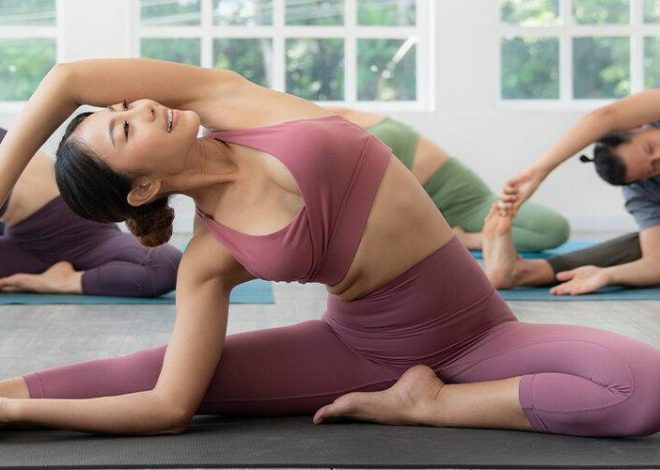
Yin Yoga
Yin yoga involves holding gentle stretches for extended periods.
Benefits include:
- Reduced tension
- Improved flexibility
- Emotional relaxation
- Mindfulness support
Yin yoga encourages slow movement and calm breathing.
Hatha Yoga
Hatha yoga is a slower-paced style that focuses on basic poses and breathing techniques.
It is often beginner-friendly and supportive for stress reduction.
Gentle Flow Yoga
Gentle flow yoga combines movement and breathing in a calm and controlled sequence.
This style improves circulation and relaxation without excessive physical intensity.
Yoga Poses That Support Relaxation and Emotional Wellness
Certain yoga poses are especially effective for calming the mind and reducing physical tension.
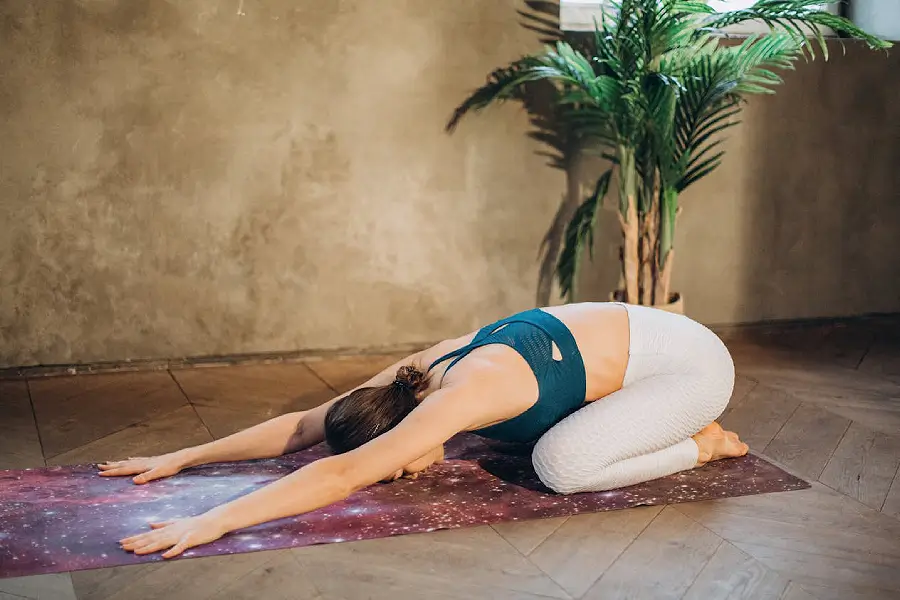
Child’s Pose
Child’s pose promotes relaxation while gently stretching the back and hips.
Benefits include:
- Emotional calming
- Reduced tension
- Improved breathing
Legs Up the Wall Pose
This restorative pose supports circulation and relaxation.
Benefits include:
- Reduced fatigue
- Stress relief
- Nervous system relaxation
Cat Cow Stretch
This gentle movement improves spinal mobility while reducing stiffness and tension.
Seated Forward Fold
Forward folds encourage relaxation and deep breathing.
Benefits include:
- Calmer thoughts
- Reduced stress
- Gentle stretching
Corpse Pose
Corpse pose is commonly practiced at the end of yoga sessions for deep relaxation.
This pose encourages complete physical and mental rest.
Yoga and Mindfulness
Mindfulness is the practice of focusing attention on the present moment.
Yoga naturally encourages mindfulness through:
- Breath awareness
- Body awareness
- Slow movement
- Mental focus
Mindfulness helps reduce mental distractions and emotional overwhelm.
Practicing mindfulness regularly may improve stress resilience and emotional stability.
Yoga and Workplace Stress
Many professionals experience stress related to deadlines, screen time, and workload demands.
Yoga may help support workplace wellness by improving:
- Concentration
- Emotional control
- Physical posture
- Mental clarity
- Stress management
Short yoga sessions during breaks may reduce physical tension caused by prolonged sitting.
Yoga and Healthy Lifestyle Habits
Yoga often encourages healthier lifestyle choices beyond physical activity.
Regular practitioners may become more mindful about:
- Sleep habits
- Nutrition
- Stress management
- Self-care
- Work-life balance
Yoga supports a more balanced approach to daily wellness.
Common Beginner Mistakes
Beginners sometimes approach yoga too aggressively or expect immediate emotional transformation.
Forcing Relaxation
Stress reduction takes time and consistency.
Relaxation should develop naturally through regular practice.
Comparing Progress
Every individual experiences yoga differently.
Personal growth is more important than comparison.
Ignoring Breathing
Breathing is one of the most important parts of yoga practice.
Controlled breathing supports both emotional and physical benefits.
Pushing Beyond Comfort
Yoga should not involve pain or excessive strain.
Gentle movement is often most effective for stress management.
Creating a Simple Stress Relief Yoga Routine
A beginner-friendly stress relief routine may include:
- Deep breathing exercises
- Child’s pose
- Cat cow stretch
- Seated forward fold
- Gentle twists
- Corpse pose relaxation
Even 15 to 20 minutes of daily practice may improve emotional balance over time.
Technology and Accessible Yoga Resources
Technology has made yoga more accessible for stress management.
Helpful resources include:
- Online yoga videos
- Meditation apps
- Virtual yoga classes
- Guided breathing exercises
These tools allow people to practice from home at convenient times.
Long-Term Emotional Wellness Through Yoga
Consistent yoga practice may support long-term emotional resilience by encouraging:
- Relaxation
- Self-awareness
- Better stress management
- Improved sleep
- Emotional balance
- Healthy coping habits
Small daily wellness habits often create meaningful long-term emotional benefits.
Conclusion
Yoga offers a natural and effective way to reduce stress and improve emotional wellness through mindful movement, controlled breathing, and relaxation techniques. By calming the nervous system and encouraging present-moment awareness, yoga helps individuals manage emotional challenges more effectively while improving both physical and mental well-being.
Unlike temporary stress relief methods, yoga supports long-term emotional resilience by encouraging healthy habits that improve focus, sleep, relaxation, and self-awareness. Its gentle and adaptable nature makes it accessible to people of all fitness levels and lifestyles.
As modern life continues to create mental and emotional pressure, yoga remains one of the most practical and sustainable tools for supporting emotional balance and healthier daily living.
Frequently Asked Questions
1. Can yoga really help reduce stress naturally?
Yes, yoga supports stress reduction through breathing exercises, mindful movement, and relaxation techniques that calm the nervous system.
2. Which type of yoga is best for emotional wellness?
Restorative yoga, Yin yoga, and gentle Hatha yoga are commonly recommended for relaxation and emotional balance.
3. How often should someone practice yoga for stress relief?
Many individuals benefit from practicing yoga several times per week, although even short daily sessions may improve relaxation and emotional wellness.
4. Does yoga help with anxiety?
Yoga may help reduce anxiety by promoting relaxation, mindfulness, controlled breathing, and nervous system regulation.
5. Can beginners practice yoga safely?
Yes, beginner-friendly yoga styles and gentle poses are suitable for most individuals when practiced carefully.
6. Why is breathing important during yoga?
Controlled breathing improves oxygen flow, supports relaxation, and helps calm emotional stress during yoga practice.
7. How long does it take to notice emotional benefits from yoga?
Some people experience relaxation immediately after yoga sessions, while long-term emotional improvements often develop through consistent practice over time.